
Cathodic protection services, from annual surveys to system installation.
Gray Jay provides cathodic protection surveys, internal current transfer investigations, system design, installation, GIS mapping and materials supply. One team manages the work from the first reading to the as-built record.
Cathodic surveys
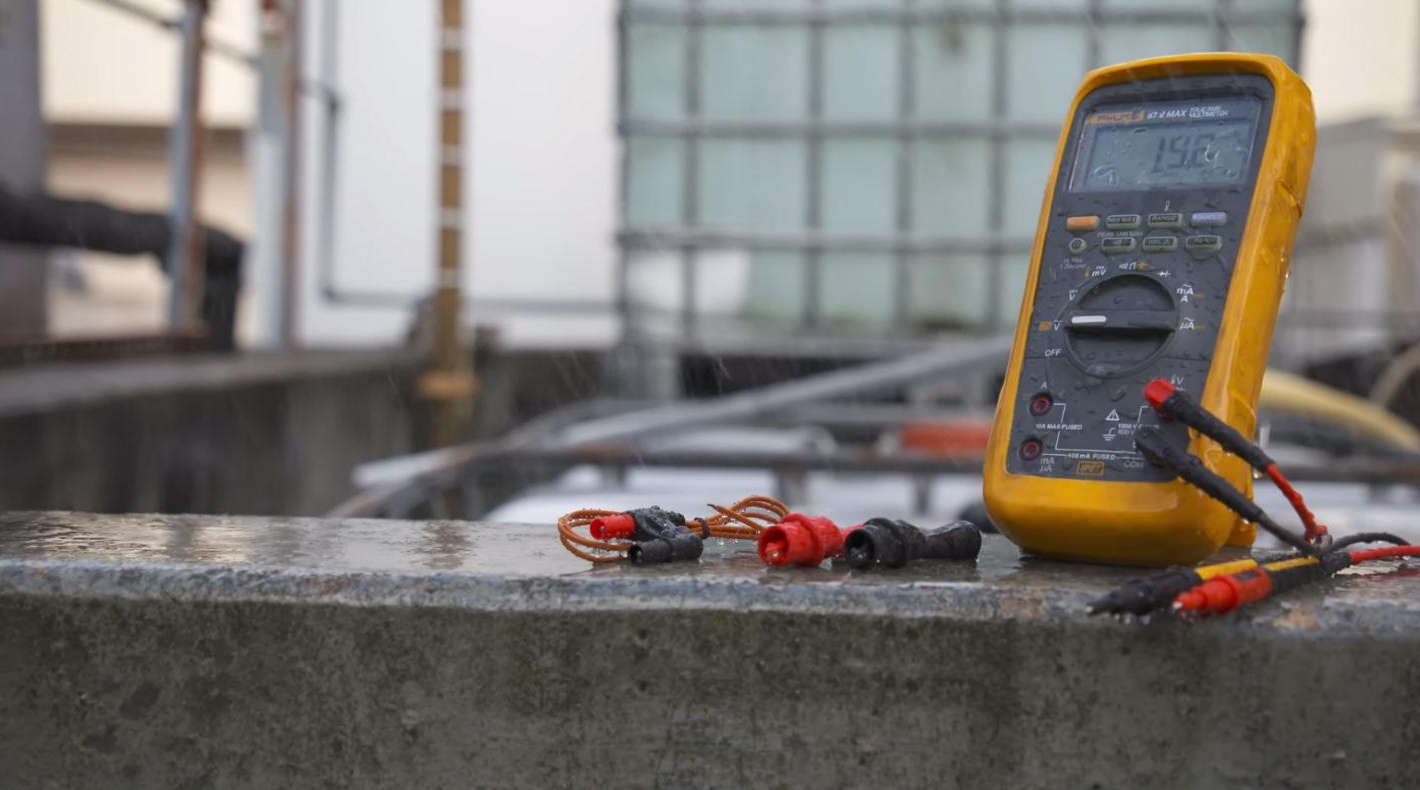
Every survey program is designed to meet provincial and federal pipeline regulations. Data is collected with calibrated, high-precision equipment, each reading is reviewed by an engineer, and results are delivered as an interactive GIS package. For clients using PipeGuard, they can also be mapped against each line.
Annual regulatory compliance surveys
Complete annual survey programs across your pipeline assets, with data collected reliably, reviewed by engineers and delivered in a clear, usable format.
Close interval surveys
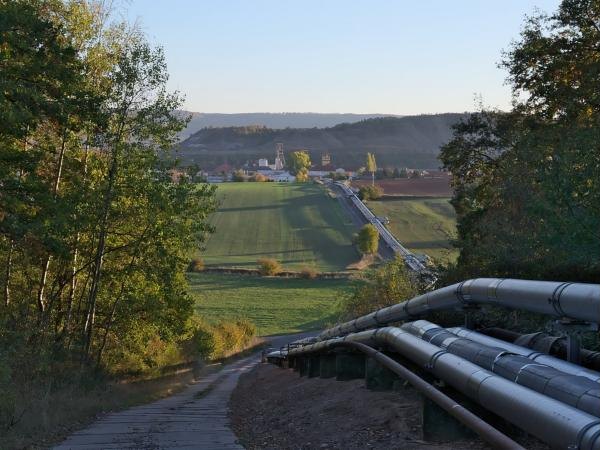
High-resolution pipe-to-soil potentials recorded along the entire right-of-way to identify areas of under- or over-protection that annual surveys can miss. Results highlight coating issues and stray current, and are integrated with GPS and GIS outputs to support targeted remediation.
DCVG surveys
A non-intrusive method that locates and sizes coating defects on in-service pipelines using soil voltage gradients. Results help prioritize digs by defect severity and validate in-line inspection findings.
ACVG surveys
Precise location of coating holidays in conditions where DC methods are less effective, such as congested sites, deeper pipelines and high-interference corridors. Typically paired with DCVG for complete diagnostic coverage.
Rectifier surveillance and critical bond monitoring
Scheduled monitoring programs that identify failed units and changes in output early, maintain records for audits and maintenance planning, and can include remote monitoring.
Results in PipeGuard
For clients using PipeGuard, survey results can be loaded each year to populate the cathodic protection layer and its timeline, and CP history then feeds directly into the external corrosion likelihood used by the risk engine.
About PipeGuardInternal current transfer investigations
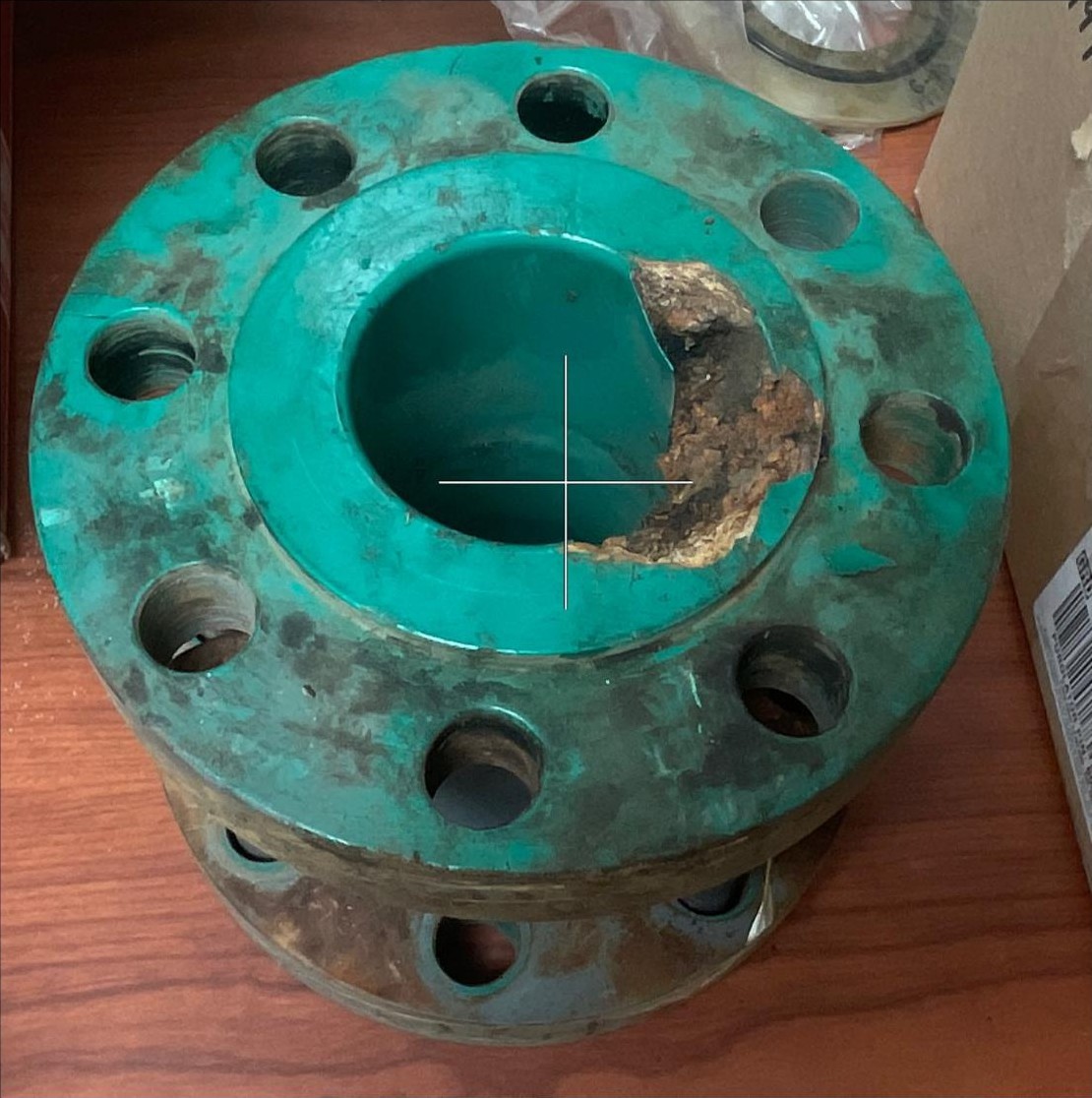
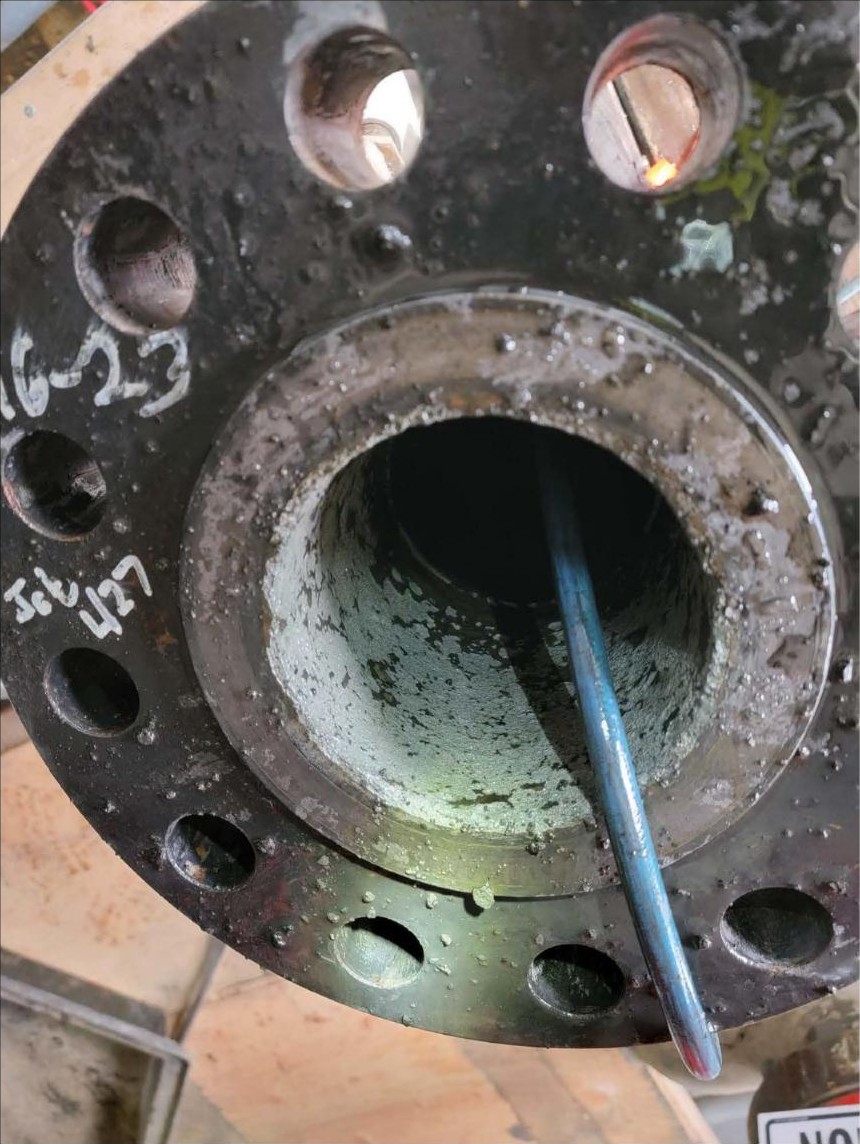
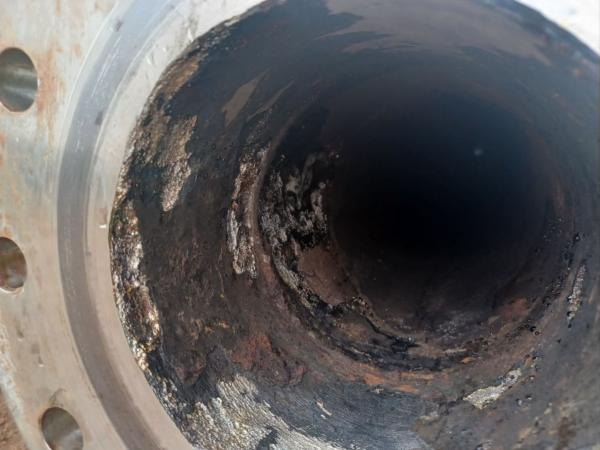
Improperly isolated or interconnected CP systems can discharge current inside the pipe, creating a hidden corrosion risk that is common at upstream facilities and pump stations. Gray Jay detects, quantifies and resolves internal current transfer to extend the life of your piping.
A system may not be as well isolated as it appears, and testing is the only reliable way to confirm it.
Is your system susceptible?
Conductive internal environment
- Produced water, wet gas or hydrocarbon streams with water dropout
- Chloride-rich fluids or brine that supports salt bridges
- Scale or sediment forming conductive bridges across isolation devices
- Dry systems that intermittently carry condensate, sludge or deposits
Type of cathodic protection
- Impressed current: high susceptibility, as the driving voltage can sustain discharge across isolation kits
- Magnesium anodes: medium susceptibility from their high driving potential
- Zinc anodes: lower susceptibility from their lower output
- Long-range bonding, mixed CP types or unknown isolation: highest vulnerability
Where the current goes
Current discharges through fluid, a salt bridge or conductive sludge, resulting in material loss and internal corrosion.
Current crosses scale or conductive oxides on flange faces. This does not cause internal corrosion, but the isolation device is bypassed.
Engineering and design
Gray Jay designs fit-for-purpose CP systems that meet regulatory requirements and integrate with your operations, from new pipelines to retrofits of aging or underperforming systems. Each design is based on field survey data, linked to GIS and compatible with your standards and preferred vendors.

What we design
- New systems for pipelines, tanks and facilities
- Retrofit and upgrade designs
- ICCP and sacrificial anode layouts
- DC interference analysis and mitigation
- High-resistivity soils and complex ROW conditions
- Deliverables aligned to CSA Z662, regulatory requirements and CEPA
Where it applies
- Cross-country and gathering pipelines
- Compressor, meter and custody transfer stations
- Above- and below-grade storage tanks
- Well pads, risers, valve sites and tank farms
- Insulated piping and complex grounding
Your design package
- Scope document and client-specific criteria
- System layout drawing, DWG or PDF
- Equipment specs and material takeoff
- Installation guidance and test point placement
- Interference study where required
- As-built-ready record formats
Installation and construction
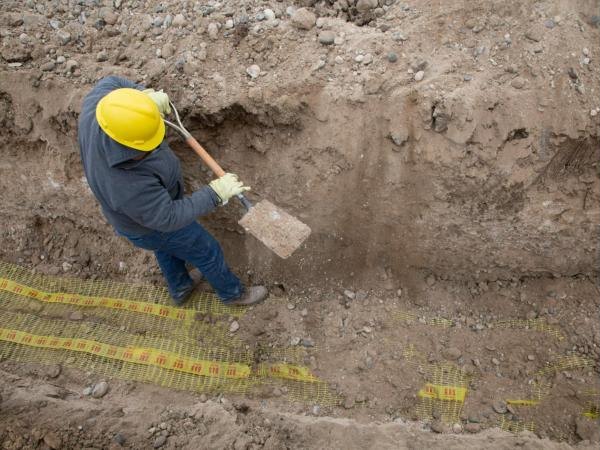
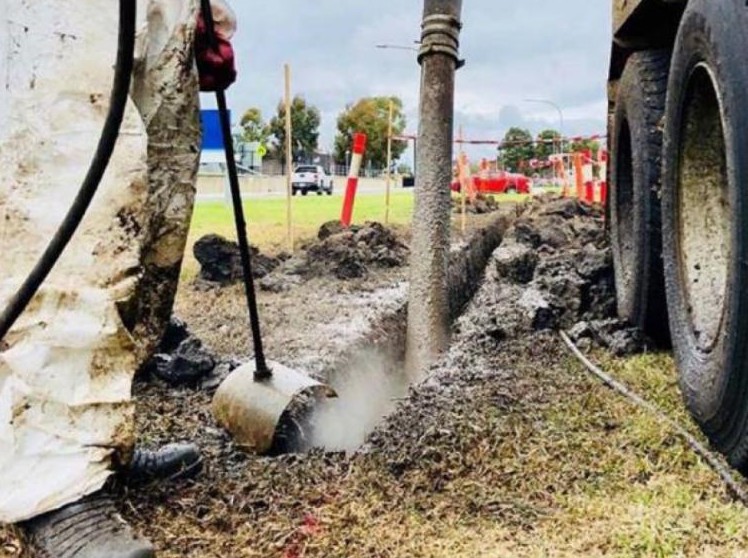
Complete CP installation services, from new construction to retrofits on operating systems. Our safety-certified crews have CP-specific experience, follow CSA Z662 and regulatory practices, and verify system performance in the field before the work is closed out.
What we install
- Deep, semi-deep, distributed and horizontal ICCP groundbeds
- Vertical and horizontal sacrificial anode systems
- Test stations and coupons
- Junction boxes, rectifiers and remote monitoring equipment
- Isolation flanges and bonds
- CP upgrades during facility expansion or site rehabilitation
Typical scenarios
- Pipeline systems, impressed current or sacrificial
- Above- and below-grade storage tanks
- Remote well pads, risers and mainline valves
- Urban corridors and industrial crossings
- Midstream facility upgrades
- Isolated joint retrofits and critical bond installations
GIS mapping and data visualization
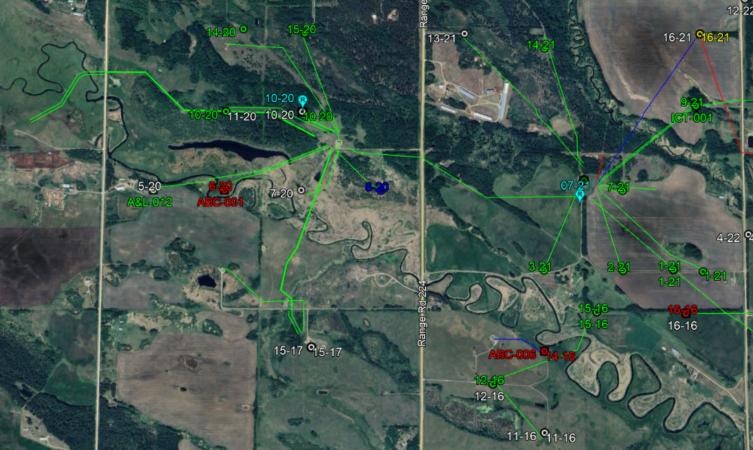
Survey and design data is delivered as a spatially accurate, interactive map that overlays CP readings, pipeline networks and deficiencies. The maps are easy for non-technical stakeholders to follow and ready for regulatory and internal reviews.
Included at no extra cost with annual survey programs. Available as an add-on to any other project.
Every package includes
- Pipeline and facility overlays with CP test points
- Rectifier, bond and isolation device locations
- Deficiency flags with status and severity
- Colour-coded potential maps by threshold band
- Current direction and interference zones where available
- Layers that match your standards and projection systems
- Navigable KML, SHP or web map formats
CP materials, ready to ship
Gray Jay stocks industry-standard CP materials for fast turnaround, backed by engineering support. Send a quote request with quantities and specifications, and we will confirm availability and delivery.
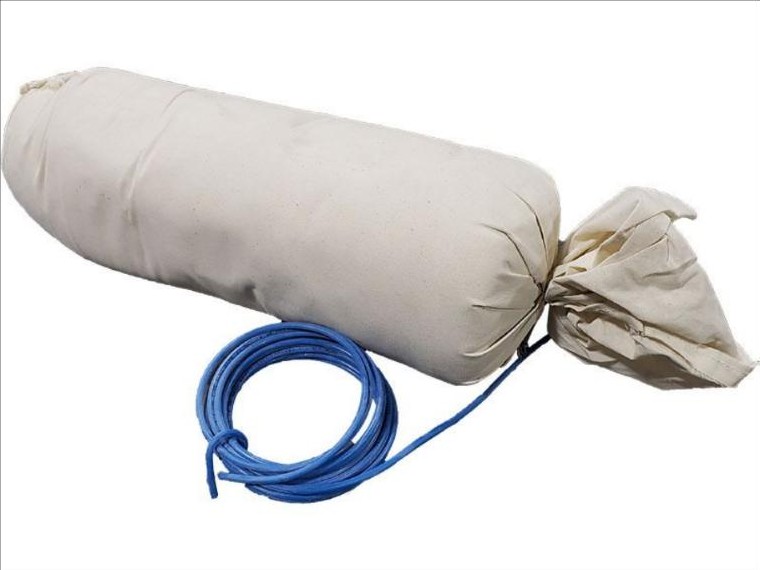
Anodes
Magnesium and zinc; MMO, high-silicon cast iron and graphite ICCP anodes; prepackaged, ribbon and MMO wire.
Rectifiers and power
Manual, automatic and switch-mode rectifiers; explosion-proof and outdoor models; remote-monitoring and solar-powered systems.
Junction boxes and bonding
Standard and custom boxes, rheostats and shunts, solid-state decouplers, isolation resistors, spark gaps and surge protection.
Wire and cable
HMWPE, TW, RW90, Kynar and tracer wire; exothermic weld kits; splice kits, connectors, clamps and anode lead wire.
Test stations and monitoring
2- to 5-terminal and coupon test stations, Cu/CuSO₄ reference electrodes, permanent reference cells and soil pH kits.
Installation accessories
Test leads and pins, cable markers and warning tape, CP signs and posts, vent pipe, conduit and anchoring hardware.